
2026 Complete Forex Trading Qatar Guide
Forex Trading in Qatar: Legal Status, Halal Trading & Best Forex Brokers (2026 Guide)
Everything you need to know about trading Forex legally and ethically in Qatar. Find the best Islamic brokers, understand regulations, and start your trading journey.
Forex trading in Qatar has gained significant popularity over the past few years as more residents look for online investment opportunities beyond traditional assets such as real estate and stocks. With high internet penetration, strong purchasing power, and growing financial awareness, Qatar has become an attractive market for international Forex brokers.
However, many traders still ask important questions before starting: Is Forex trading legal in Qatar? Is Forex trading halal in Qatar? Are there Islamic Forex brokers in Qatar? And which are the best Forex brokers in Qatar for beginners and professionals?
This comprehensive guide answers all these questions and more. Whether you are new to Forex trading or an experienced trader living in Qatar, this article will help you understand the legal framework, Islamic perspective, risks, and how to choose the right Forex broker.
What Is Forex Trading in Qatar?
Forex trading in Qatar refers to the online buying and selling of foreign currencies through international Forex brokers. Traders in Qatar access global Forex markets using platforms like MetaTrader 4 or MetaTrader 5 to speculate on currency price movements for profit.
What Is Forex Trading?
Forex trading, also known as foreign exchange trading, involves buying and selling currencies to profit from changes in exchange rates. The Forex market is the largest financial market in the world, with daily trading volume exceeding trillions of dollars. Islamic Forex trading accounts help traders trade in the forex market while complying with their religious beliefs.
In online Forex trading, traders speculate on currency pairs such as EUR/USD, GBP/USD, or USD/JPY using trading platforms like MetaTrader 4 (MT4) or MetaTrader 5 (MT5). Many Forex brokers in Qatar also offer CFDs (Contracts for Difference) on commodities, indices, and cryptocurrencies.
Is Forex Trading Legal in Qatar?
Is Forex Trading Halal in Qatar?
FAQs – Forex Trading in Qatar
How to Start Forex Trading in Qatar?
Forex Trading Platforms in Qatar
Top 10 Forex Brokers Qatar 2026
Choosing the right broker is essential for success. Below are some of the best Forex brokers in Qatar that accept Qatari traders and offer Islamic accounts.
Broker Logo
Broker Name
Features
Review/ Sign up

EXNESS
Swap-Free Accounts by default
Swap-Free Status across all account types
Max Leverage upto 1:2000

EasyMarkets
Convert any account to Islamic with no overnight swaps/interest on most instruments
1:400 Leverage
Fast withdrawal processing

AVA Trade
Islamic trading accounts available.
Unlimited swap-free duration on qualifying assets for long-term positions
upto 1:400 Leverage

EightCap
1:500 Leverage
$100 minimum deposit

XM
No substitute spreads or admin fees on major Forex pairs for Islamic accounts
Zero Admin Fees
Minimum deposit starts with $5

FBS
Swap-free available on Standard, Cent, and ECN account types
1:3000 Leverage
$10 min deposit
General Risk Warning: Trading Forex and CFDs carries a high level of risk and may not be suitable for all investors. 74-89% of retail investor accounts lose money when trading CFDs. You should consider whether you understand how CFDs work and whether you can afford to take the high risk of losing your money.
Forex Trading is legal in Qatar
Forex Trading in Qatar: Market Overview
Forex trading in Qatar is primarily conducted through international online Forex brokers, as there are currently no locally licensed retail Forex brokers offering margin trading to individuals. Qatari residents access global platforms that accept traders from Qatar and provide services in English and Arabic.
Key factors driving Forex trading growth in Qatar include:
High Disposable income
Strong interest in online investing
Availability of Islamic (swap-free) Forex accounts
Advanced mobile trading apps
No personal income tax
Despite these advantages, traders must understand the legal and Islamic considerations before opening an account.
Is Forex Trading Legal in Qatar?
One of the most searched questions is: Is Forex trading legal in Qatar?
Legal Status of Forex Trading in Qatar
Forex trading is not illegal in Qatar, but it is not directly regulated for retail traders by a local authority in the same way as stock trading on the Qatar Stock Exchange.
The Qatar Central Bank (QCB) regulates banks and financial institutions operating within the country. However, it does not currently issue retail Forex licenses for online margin trading platforms.
This means:
-
There are no Qatar-based retail Forex brokers regulated by QCB
-
Individual traders in Qatar are allowed to trade Forex online
-
Most traders use offshore, internationally regulated Forex brokers
Is Forex Trading Legal in Qatar?
Yes, Forex trading is legal in Qatar. Individuals are allowed to trade Forex online using international brokers. However, Forex trading is not directly regulated for retail traders by the Qatar Central Bank (QCB), so traders use offshore brokers regulated by authorities such as FCA, ASIC, or CySEC.

Is It Safe to Trade Forex in Qatar?
Trading with international brokers is common in Qatar, but traders should choose brokers regulated by well-known authorities such as:
-
FCA (UK)
-
ASIC (Australia)
-
CySEC (Cyprus)
-
FSCA (South Africa)
Avoid unregulated or unknown brokers claiming to be “Qatar-regulated,” as this is often misleading.
Summary:
✔ Forex trading in Qatar is legal
✔ Offshore brokers are allowed
✔ Choose well-regulated international brokers
Forex Trading Regulations in Qatar
-
Forex trading is legal for individuals
-
Qatar Central Bank does not license retail Forex brokers
-
Offshore Forex brokers are commonly used
-
Traders must choose internationally regulated brokers
-
No restriction on online Forex trading platforms
Islamic Perspective: Is Forex Trading Halal in Qatar?
Another critical concern for traders is Is Forex trading halal in Qatar?
Islamic Principles Relevant to Forex Trading
Forex trading must comply with Islamic finance principles, including:
-
Riba (Interest): Any form of interest is prohibited
-
Gharar (Excessive Uncertainty): Transactions must be transparent
-
Maysir (Gambling): Speculation without real analysis is discouraged
Why Standard Forex Accounts Can Be Haram
Most standard Forex accounts charge or pay swap fees (overnight interest) for holding positions open overnight. These swap fees are considered riba, making standard Forex trading haram for Muslims.
Islamic (Swap-Free) Forex Accounts
To address this issue, many brokers offer Islamic Forex accounts, also known as swap-free accounts. These accounts:
-
Do not charge overnight interest
-
Follow Sharia-compliant trading rules
-
Replace swaps with transparent fixed fees (in some cases)
Is Forex Trading Halal with an Islamic Account?
According to many scholars, Forex trading can be halal if:
-
It is done through a genuine Islamic Forex account
-
Trades are executed transparently
-
No interest (riba) is involved
-
Trading is not purely speculative gambling
Conclusion:
✔ Forex trading can be halal in Qatar
✔ Only with Sharia-compliant Islamic Forex brokers
Is Forex Trading Halal in Qatar?
Forex trading can be halal in Qatar if it is done through a Sharia-compliant Islamic Forex account that does not charge or pay interest (riba). Standard Forex accounts with swap fees are generally considered haram under Islamic law.
Conditions That Make Forex Trading Halal
-
No interest (riba) involved
-
Use of Islamic (swap-free) accounts
-
Transparent trading conditions
-
Immediate execution of trades
-
Trading based on analysis, not gambling
Islamic Forex Brokers in Qatar: What to Look For
When choosing Islamic Forex brokers in Qatar, traders should carefully evaluate the broker’s policies.
Features of Genuine Islamic Forex Brokers
- 100% swap-free trading
- No hidden interest charges
- Transparent fee structure
- Reputable regulation
- Clear Islamic account terms
Red Flags to Avoid
- “Swap-free” accounts with limited days
- Hidden administrative interest fees
- Poor transparency
- Unregulated brokers
Always read the Islamic account agreement before opening an account.
What Are Islamic Forex Brokers in Qatar?
Islamic Forex brokers in Qatar are international brokers that offer swap-free trading accounts designed to comply with Sharia law. These accounts do not charge overnight interest and are suitable for Muslim traders seeking halal Forex trading.
How to Start Forex Trading in Qatar (Step-by-Step)
Starting Forex trading in Qatar is straightforward if you follow these steps.
Step 1: Choose a Reliable Forex Broker
Select a regulated Forex broker that accepts Qatar residents and offers Islamic accounts.
Step 2: Open an Account
Register online and choose either a standard or Islamic Forex account.
Step 3: Complete KYC Verification
Submit identification documents such as a passport or a Qatar ID.
Step 4: Fund Your Account
Common deposit methods include:
-
Credit/debit cards
-
Bank transfers
-
E-wallets
Step 5: Download a Trading Platform
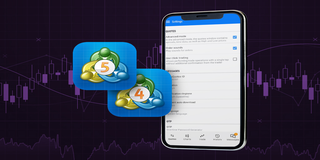
Most traders use MetaTrader 4 or MetaTrader 5.
Step 6: Start Trading
Begin with small trades and apply risk management strategies.
Forex Trading Platforms and Apps in Qatar
Most Forex brokers in Qatar support advanced trading platforms. Forex trading apps in Qatar allow traders to manage positions anytime, anywhere.

MetaTrader 4 (MT4)
-
User-friendly
-
Ideal for beginners
-
Supports Expert Advisors (EAs)

MetaTrader 5 (MT5)
-
More advanced features
-
Additional asset classes
-
Faster execution
Mobile Trading Platforms
-
Android & iOS supported
-
Real-time charts
-
Full trading functionality
Risks of Forex Trading in Qatar
Forex trading involves significant risk, especially with leverage.
Main Risks Include:
-
High leverage amplifying losses
-
Market volatility
-
Emotional trading
-
Unregulated brokers
Risk Management Tips:
-
Use stop-loss orders
-
Avoid over-leveraging
-
Trade with a plan
-
Never trade money you cannot afford to lose
Risks of Forex Trading in Qatar
Forex trading in Qatar involves risks such as market volatility, leverage losses, and broker-related risks. Traders should use stop-loss orders, trade with regulated brokers, and avoid over-leveraging to reduce potential losses.
Taxation: Is Forex Trading Taxable in Qatar?
Qatar currently has no personal income tax, which makes Forex trading attractive. However:
-
Tax laws can change
-
Traders should keep records
-
Consult a professional if trading large volumes
FAQs: Forex Trading in Qatar
Is Forex trading legal in Qatar?
Yes, Forex trading is legal in Qatar through international brokers.
Are there Qatar-regulated Forex brokers?
No retail Forex brokers are currently regulated by QCB.
Is Forex trading halal in Qatar?
Forex trading can be halal if done through a Sharia-compliant Islamic account.
What is the best Forex broker in Qatar?
Top brokers include Exness, easyMarkets, XM, FBS, and AVA Trade.
Can beginners trade Forex in Qatar?
Yes, many brokers offer beginner-friendly platforms and demo accounts.
Is Forex Trading Legal in Qatar?
Yes, Forex trading is legal in Qatar. Individuals are allowed to trade Forex online using international brokers. However, Forex trading is not directly regulated for retail traders by the Qatar Central Bank (QCB), so traders use offshore brokers regulated by authorities such as FCA, ASIC, or CySEC.
Final Verdict: Should You Trade Forex in Qatar?
Forex trading in Qatar offers exciting opportunities for traders looking to participate in global financial markets. While Forex trading is legal, traders must choose reputable, well-regulated international brokers and ensure compliance with Islamic finance principles if required.
By selecting a trusted Islamic Forex broker, using proper risk management, and continuously educating yourself, Forex trading can be a legitimate and potentially profitable activity in Qatar.